Starting a Ripple of Empathy—One Interaction at a Time

Empathy Is More Than a Buzzword
Empathy is more than just a buzzword. It’s a powerful tool that transforms how we connect with others—especially in demanding professional environments like healthcare, education, and public safety.
I’ve learned that expressing empathy doesn’t require grand gestures. It’s about small, intentional actions that communicate I see you. I hear you. You matter. Those moments, though brief, can create a lasting impact.
Let’s explore practical empathy techniques you can start using today to make a real difference.
Why Practical Empathy Techniques Matter
Empathy is the bridge that connects us to others’ experiences. In professions where emotions run high and the stakes are significant, empathy can ease tension, build trust, and improve outcomes.
But how do you translate empathy from a feeling into action? That’s where practical techniques come in.
When a patient shares fears about a diagnosis, a calm voice and a simple nod can help them feel heard. When a student struggles with a lesson, pausing to listen without judgment can open the door to understanding. These moments matter because they communicate respect and humanity.

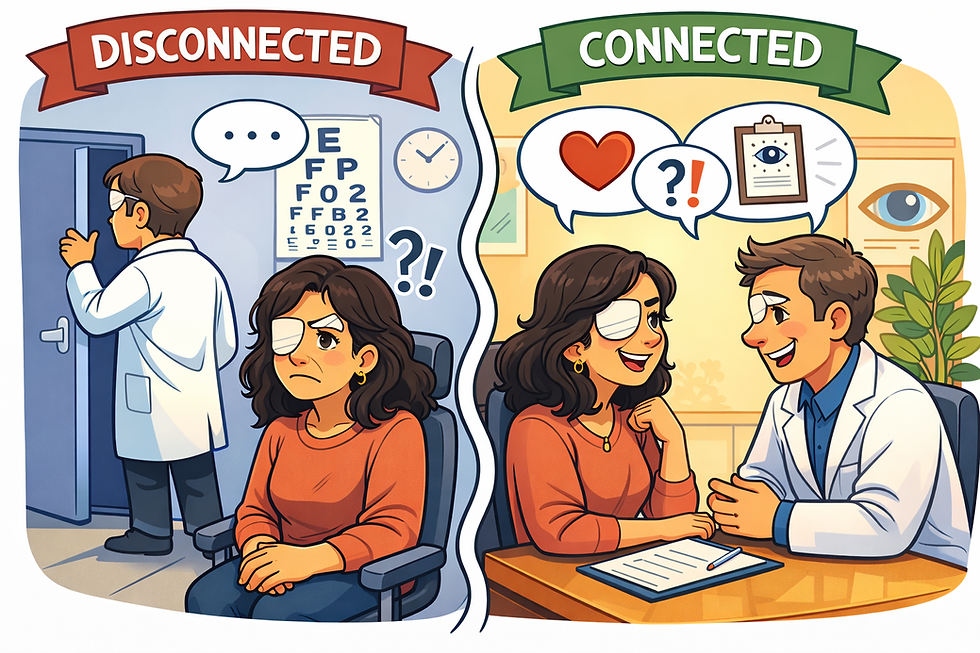
As a patient, I deeply appreciate when healthcare professionals treat me as a person of equal status—introducing themselves, engaging in light humor, or chatting about sports. Those small connections matter. When introductions are skipped and my fabulous dolphin tattoo goes unnoticed, I feel reduced to “just a patient,” rather than a whole person with a life beyond the exam room.
As a teacher, I intentionally offer students extra credit to visit me during office hours. Most take me up on it. Those conversations allow me to learn about their lives beyond school—and help them see me not just as someone who grades their work, but as someone who genuinely wants them to succeed.
Practical empathy means being present, listening actively, and responding thoughtfully. It’s about tuning in to another person’s world and reflecting that understanding back to them.
Practical Empathy Techniques You Can Use Today
These techniques are simple, powerful, and adaptable to any professional setting.
1. Active Listening
Give the speaker your full attention—without interrupting or planning your response.
Make eye contact
Nod or offer brief verbal cues like “I see” or “That sounds hard”
Reflect back what you hear: “It sounds like you’re feeling overwhelmed.”
2. Validate Feelings
You don’t have to fix the problem right away. Sometimes people just want their feelings acknowledged.
“That’s completely understandable.”
“Anyone in your position would feel this way.”
3. Use Open Body Language
Your posture and presence matter. Keep your body relaxed and open. Avoid crossed arms or distractions. Lean in slightly to show interest—your body often communicates empathy before your words do.
4. Ask Thoughtful Questions
Invite deeper sharing instead of making assumptions.
“Can you tell me more about what’s been challenging?”
“How has this affected you?”
5. Share Your Own Feelings (When Appropriate)
Briefly sharing a relatable experience can build trust and connection—just be mindful not to shift the focus away from the other person.
6. Offer Support, Not Solutions
Resist the urge to immediately fix things. Try asking:
“What do you need from me right now?”
“How can I support you?”
7. Follow Up
Empathy doesn’t end with one conversation. A quick check-in later shows continued care—and that matters more than we often realize.
How Empathy Strengthens Professional Relationships
Empathy creates a safe space where people feel understood and respected. In professional settings, this can lead to:
Greater trust and satisfaction
Improved engagement and cooperation
Stronger teamwork
Reduced stress and burnout
A nurse who listens eases anxiety. A teacher who acknowledges frustration inspires persistence. A first responder who leads with compassion can calm an intense situation. When people feel heard, they’re more likely to open up and collaborate.
Cultivating Empathy in Yourself
Empathy starts within. Here are a few ways to strengthen it:
Practice mindfulness to stay present
Seek out diverse stories and perspectives
Reflect on personal biases
Prioritize self-care so you can show up fully
Ask for feedback from trusted colleagues
Empathy is a skill—and like any skill, it grows with practice. (If you’re looking for inspiration, my book When Life Throws You Lemons… Make Cranberry Juice! explores resilience and perspective through lived experience.)
Bringing Empathy Into Your Daily Routine
Try small habits that build empathy into your day:
Start meetings with a quick check-in
Pause before responding to consider another perspective
Use empathetic language in emails and messages
Acknowledge effort, not just outcomes
Create moments of reflection
Empathy transforms routine interactions into meaningful connections. When practiced consistently, it creates a culture of compassion that benefits everyone.

💙 Want more ideas?Join Empathy Boost and receive a short daily email with one simple, actionable empathy tip. Together, we can create a ripple of empathy that extends far beyond ourselves.
👉 Sign up here:


Comments