What is empathetic listening?


When I first started teaching healthcare students about empathy, I quickly realized that listening is so much more than just hearing words. It’s about truly understanding the person in front of you—their fears, their hopes, their story. That’s why mastering active listening strategies is so critical. These skills don’t just improve conversations; they build trust, deepen connections, and create care that truly matters. If you want to foster genuine empathy and enhance your communication, you’re in the right place.

Let’s explore how you can sharpen your listening skills to become a more compassionate, effective professional—whether in healthcare, education, or any field where understanding people matters.
Why Active Listening Strategies Matter
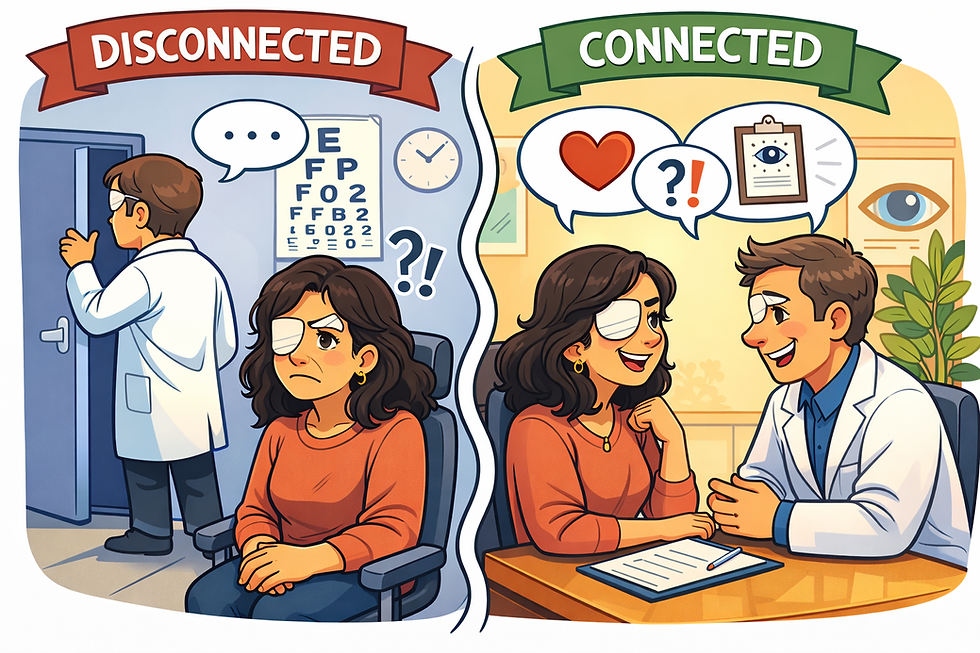
Have you ever felt unheard in a conversation? Maybe the other person was distracted, or simply waiting to respond rather than really listening. It’s frustrating—and it can be costly, especially in healthcare or education. Active listening strategies help you stay fully present, ensuring that the person in front of you feels seen, heard, and valued.
When you practice active listening, you:
Show respect and validation
Gain clearer insights into needs and feelings
Build stronger relationships based on trust
Reduce conflicts and misunderstandings
Encourage openness and honesty
Imagine a nursing student listening carefully to a patient’s concerns, or a healthcare professional truly hearing a colleague’s struggle. These moments can transform outcomes—sometimes in life-changing ways.
Active Listening in Professional Settings
You might wonder, “How do I actually practice these strategies?” It’s simpler than you think, but it takes focus and intention. Here are practical ways to weave active listening into your daily interactions:
Give your full attention: Put away distractions, face the person, and maintain eye contact.
Use nonverbal cues: Nod, smile, and lean slightly forward to show engagement.
Avoid interrupting: Let the speaker finish before responding.
Reflect and paraphrase: Confirm understanding by summarizing in your own words.
Ask open-ended questions: Encourage deeper sharing with thoughtful questions.
Manage your emotions: Stay calm and open, even in difficult conversations.
With practice, these strategies make conversations more meaningful, productive, and empathetic.

Embracing Empathy Through Active Listening
At its core, active listening is an act of empathy. It’s stepping into someone else’s experience without judgment and showing that their thoughts and feelings matter.
When you listen actively, you not only help others—you enrich your own perspective, becoming more patient, compassionate, and effective. Empathy is a skill you can cultivate, starting with truly hearing people, not just their words.
Your Next Steps
Start small. Pick one conversation today where you’ll focus on listening fully. Notice how it changes the dynamic. Over time, these habits will become second nature. You’ll build stronger connections, resolve conflicts more easily, and foster a more compassionate environment wherever you are.
For a deeper dive, consider joining an empathy or communication training program—your professional and personal life will be profoundly impacted.
Keep listening, keep learning, and watch empathy transform your world.


Comments