The Respiratory Therapist I Never Forgot

Respiratory therapists will always be one of my favorite medical
professionals.
(Second favorite, if I’m being honest—right after the nurse who gave me
morphine.)
Humor aside, my respect for RTs is deeply personal.
When I was recovering from brain surgery, I spent nine months in the
hospital. During that time, a respiratory therapist performed one of the most
invasive and painful procedures I experienced. I can still picture the moment
clearly: lying in a hospital bed, already exhausted and disoriented, watching
a stranger walk into my room carrying equipment I didn’t fully understand.
I knew it was going to hurt.
I knew I needed it.
I also felt completely helpless.
Almost 20 years later, I remember exactly what that vulnerability felt like
as a tube was guided up my nose. But what stayed with me even more than
the discomfort was the human presence in the room. The procedure helped
me physically. The way it was delivered shaped me emotionally.
That moment profoundly influenced how I understand empathy in
respiratory care.

Respiratory therapists often meet patients at their
most frightened moments. A patient struggling to
breathe. A patient facing an invasive intervention. A
patient who hasn’t processed what’s happening yet.
There is rarely time for long conversations. No
extended relationship-building. No luxury of easing in
slowly.
And yet—connection still matters.
In fact, in those compressed, high-stress seconds, empathy matters even more.
Over the years, in my work with healthcare students and clinicians through
Lifetime of Impact and Impact of Empathy, I’ve focused on one core skill: how to
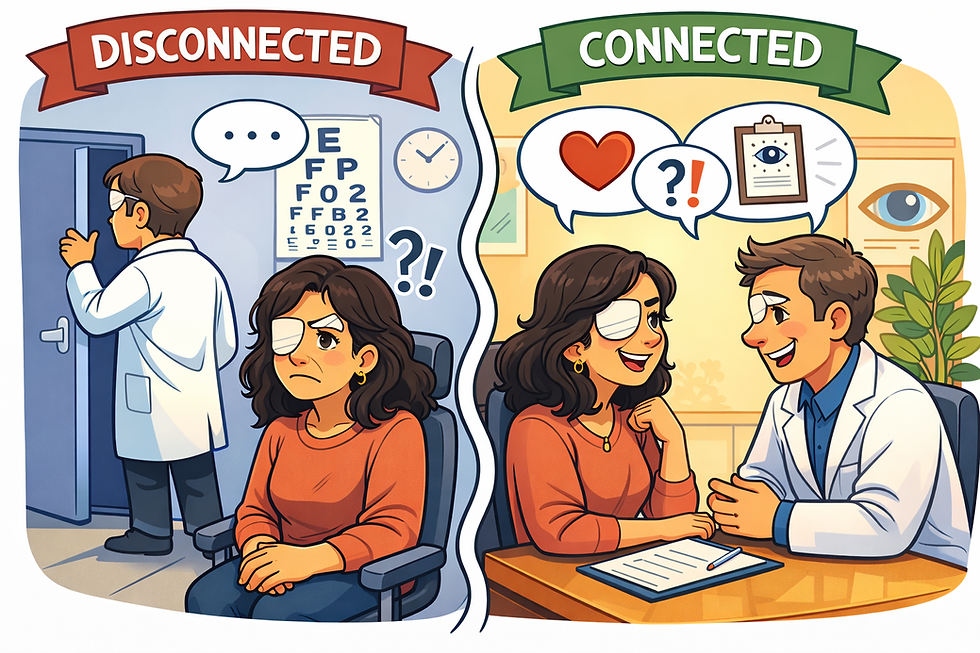
create safety and trust quickly. Not through long speeches. Not through scripted
lines. But through tone, eye contact, body positioning, pacing, and simple
acknowledgment of fear.
Empathy in respiratory care is not about being “soft.”
It’s about stabilizing the human experience in a destabilizing moment.
When patients feel even a small sense of safety, procedures go more smoothly.
Cooperation improves. Trauma decreases. Outcomes often improve alongside
experience.
Respiratory therapists don’t just help patients breathe.
They help patients feel less alone while they’re trying to.
If you teach or lead respiratory therapy students, I would be honored to share this
story—and practical, realistic tools your learners can apply immediately.
Workshops are available:
• For individual classes through my nonprofit, Lifetime of Impact
• For larger programs and teams through Impact of Empathy
In respiratory care, empathy isn’t extra—it’s essential.


Comments